You can sometimes live at home while an addition is built, as long as occupied rooms stay safely separated from construction and essential services remain available. The decision depends on the project’s scope, structural work, weather protection, access, and household needs. Some phases may still require temporary relocation.
Reducing construction disruption starts before demolition. Agree with your contractor on living arrangements, restricted areas, utility interruptions, and triggers for temporary accommodation. Staying home should be a planned option, not an assumption based solely on saving accommodation costs.
Which Construction Stages Are Most Disruptive?
Early foundation and framing work may occur mainly outside the existing living space. However, noise, vibration, deliveries, and restricted outdoor access can still affect daily routines.
Disruption often increases when the addition connects to the house. This stage may involve:
- Opening an exterior wall.
- Modifying structural supports.
- Connecting plumbing and electrical systems.
- Altering heating and ventilation.
- Changing access between rooms.
A second-storey addition or extensive interior reconfiguration can create different challenges from a rear addition. Ask for a phase-by-phase assessment rather than one answer covering the entire project.
What Conditions Must Remain Safe?
Occupied areas need safe access, appropriate separation, and functioning essential services. Confirm that residents can reach an exit without crossing an active work zone.
Discuss:
- Access to a usable bathroom.
- Safe food preparation arrangements.
- Reliable heating and necessary utilities.
- Working smoke and carbon monoxide alarms.
- Secure entrances and overnight protection.
- Restrictions around excavation, equipment, and stored materials.
Temporary barriers must suit the work being performed. A lightweight dust sheet does not provide the same protection as a properly planned separation. Children and pets need clear exclusion arrangements.
How Can You Control Dust and Indoor Air Problems?
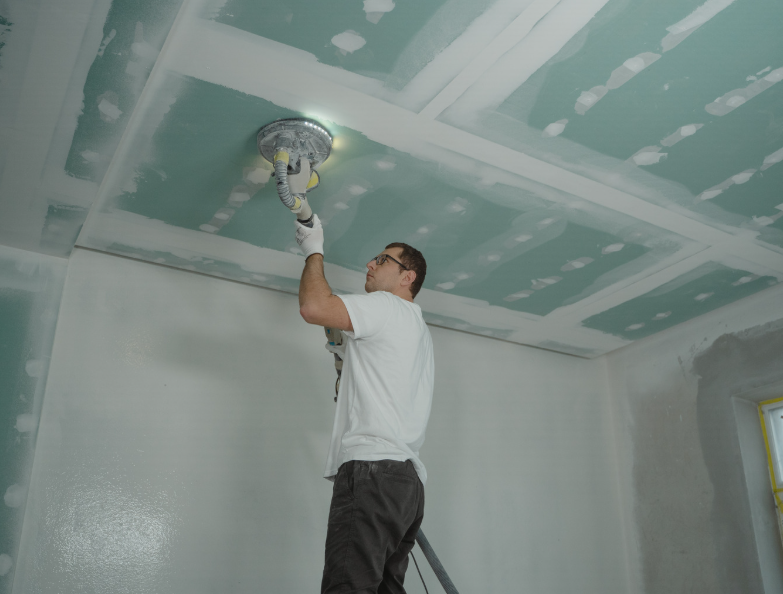
Construction dust can travel beyond the work area through doorways, gaps, and air-moving systems. Ask how the contractor will contain dust, protect occupied rooms, and manage cleaning.
Depending on the work, the plan may require sealed barriers, controlled access, extraction, or changes to how building systems operate.
Households with respiratory sensitivities may need more conservative arrangements. Hazardous-material work requires its own assessment and controls. Don’t assume ordinary housekeeping makes occupancy suitable for every activity.
Plan living arrangements around actual exposure risks, not simply whether the mess looks manageable.
What Changes for November and December Projects?
Cold-weather work requires careful coordination of heating and weather protection. Opening the building can affect comfort, plumbing, and the security of temporary enclosures.
Ask when the addition will be enclosed, how openings will be protected, and which activities depend on weather conditions. Confirm how unexpected delays affect occupied rooms.
Holiday gatherings, visitors, and remote work can also conflict with construction access. Share important dates early, but keep expectations realistic. Seasonal plans do not remove the need for safe sequencing or suitable installation conditions.
When Should You Temporarily Move Out?
Relocation may be necessary when you can’t maintain safe separation, essential services are unavailable, structural work affects occupied areas, or you can’t adequately control exposure.
Identify these triggers before construction begins. Budget for accommodation, storage, meals, and possible schedule changes.
A short planned move during the most disruptive phase can be more practical than remaining throughout. Revisit the decision as conditions change rather than treating the original occupancy plan as permanent.
Plan Your Addition With Heidan Construction
Contact Heidan Construction to discuss an addition that balances your space goals with realistic living arrangements. The company provides design-and-build services for home additions, renovations, and custom homes. Explain your household routines, work requirements, accessibility needs, and concerns about construction disruption.
Ask for a phased discussion of access, utilities, weather protection, and relocation periods so you can plan accommodation and daily life before work begins, rather than making rushed decisions during construction.