• Skip to main content
  • Skip to primary sidebar
  • Skip to footer
  • Home
  • About Us
  • Custom Home
    • Luxury Custom Home Builders
    • Modern Custom Home Builders
    • Transitional Custom Home Builders
  • Home Additions
    • Custom Home Additions
    • Dining Room Addition
    • Family Room Addition
    • Rear Additions
    • Room Additions
    • Second Floor Additions
  • Commercial
    • Dental Offices
    • Medical Office Builders
    • Office Renovation Contractor
  • Design Build
    • Design Build Contractors
    • Commercial Design Build
    • Custom Home Design Build
    • Modern Design Build
  • Portfolio
    • Residential
    • Commercial
  • Media
  • Contact
  • Blog

Heidan Construction

Blog

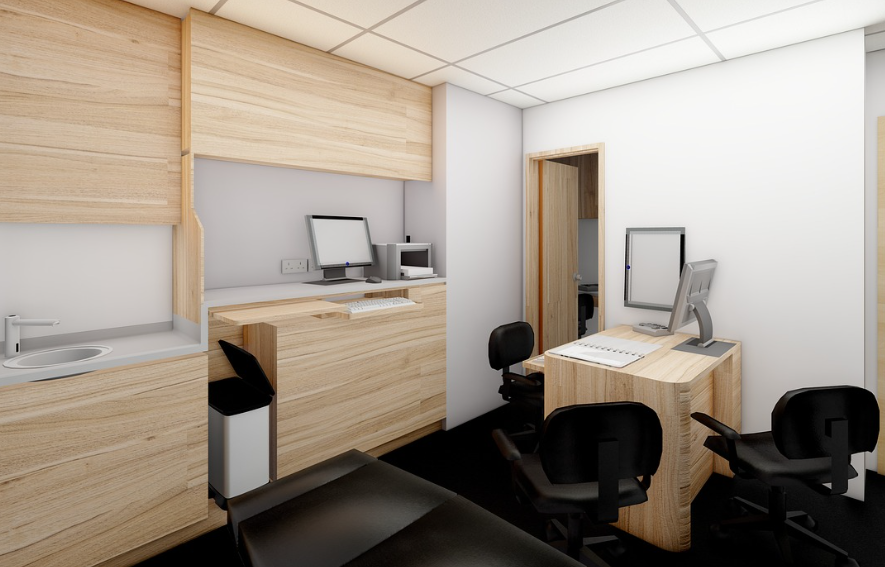
nurse in medical office

June 30, 2026 By Webmaster

Medical Renovation: What You Need to Know Summer 2026

nurse in medical office

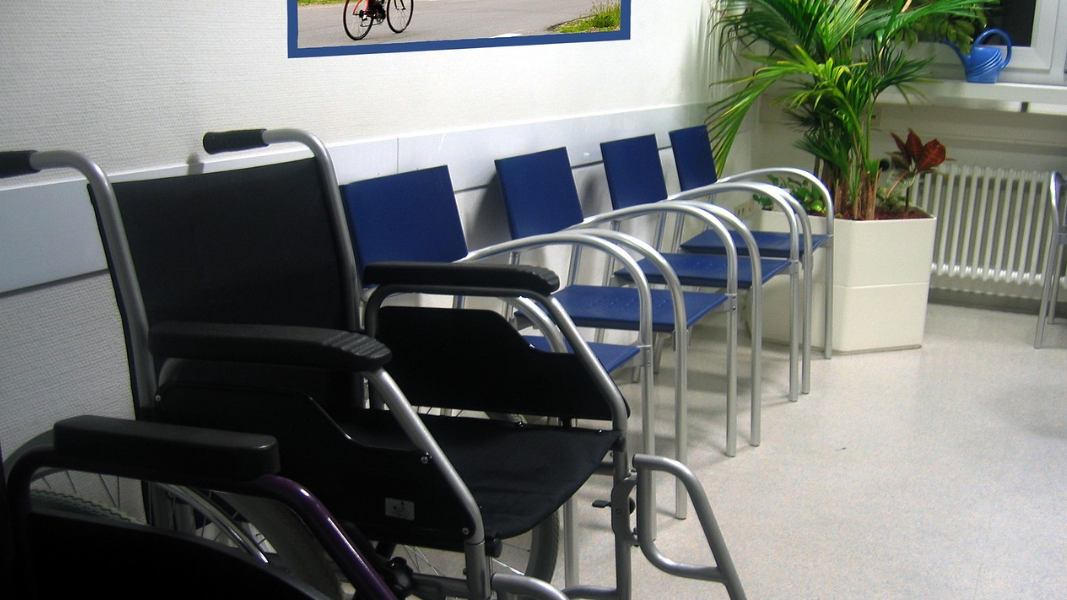
Renovating a medical office is very different from refreshing a typical commercial space. There are more rules, more safety requirements, and more ways that design directly affects how patients and staff feel every day. For a builder like Heidan Construction, “what you need to know” boils down to four main themes: compliance, patient flow, infection control, and phasing so the clinic can keep running during the work.

1. Regulations And Permits Come First

Medical spaces must meet building code, fire code, public health, and accessibility rules, not just look good. Before any walls move, you need a plan for:

  • Building permits, mechanical and plumbing permits, and any change‑of‑use or zoning approvals.
  • Accessibility standards (door widths, washroom layouts, barrier‑free routes, entrances and reception counters).
  • Fire protection, exits, and emergency lighting that match medical occupancies.

Getting these pieces right early prevents costly redesigns, delays, or problems when you try to open or re‑open the clinic.

2. Patient Flow And Staff Workflow Drive The Layout

In a medical office, the floor plan should follow how patients and staff really move: from reception to waiting, to exam or treatment, and then out again. Good renovation planning considers:

  • Clear routes that reduce bottlenecks and keep potentially infectious patients separated when needed.
  • Exam and procedure rooms sized appropriately for the services being delivered, with sinks and storage placed where they are actually used.
  • Staff pathways that cut down wasted steps between clean supply, reprocessing, charting, and break areas.

When flow is smooth, the space feels calmer for patients and easier for staff to work in, which directly affects satisfaction and productivity.

3. Infection Control Is Built Into Surfaces And Rooms

Medical office renovations must build infection prevention into the environment, not bolt it on at the end. That means:

  • Smooth, non‑porous surfaces and flooring instead of carpet and heavy textures in clinical areas, so they can be cleaned and disinfected properly.
  • Dedicated clean and soiled utility spaces, with one‑way workflows in reprocessing areas to keep used instruments away from sterile supplies.
  • Handwashing sinks and hand rub stations in exam rooms, treatment rooms, and near medication prep areas.

These choices make everyday cleaning easier and support current infection‑prevention guidelines.

4. Plan Phasing So You Can Keep Seeing Patients

Many clinics need to stay open during renovation. Phasing and temporary partitioning are essential to:

  • Separate active construction zones from patient areas with proper barriers.
  • Maintain safe access routes and clear signage so patients are not confused or exposed to hazards.
  • Schedule noisy or disruptive work outside of patient hours wherever possible.

A builder experienced with medical projects can help create a sequence and timetable that protects patients and staff while work moves ahead.

Why Work With Heidan Construction On Medical Renovations

Medical office projects are not the place for guesswork. Heidan Construction can coordinate design, permitting, and construction with a focus on patient flow, infection control, and regulatory compliance. From exam room layouts and reprocessing areas to accessibility upgrades and phased construction, a specialized team helps turn an existing space into a clinic that feels modern, safe, and efficient for years to come.

Filed Under: Blog

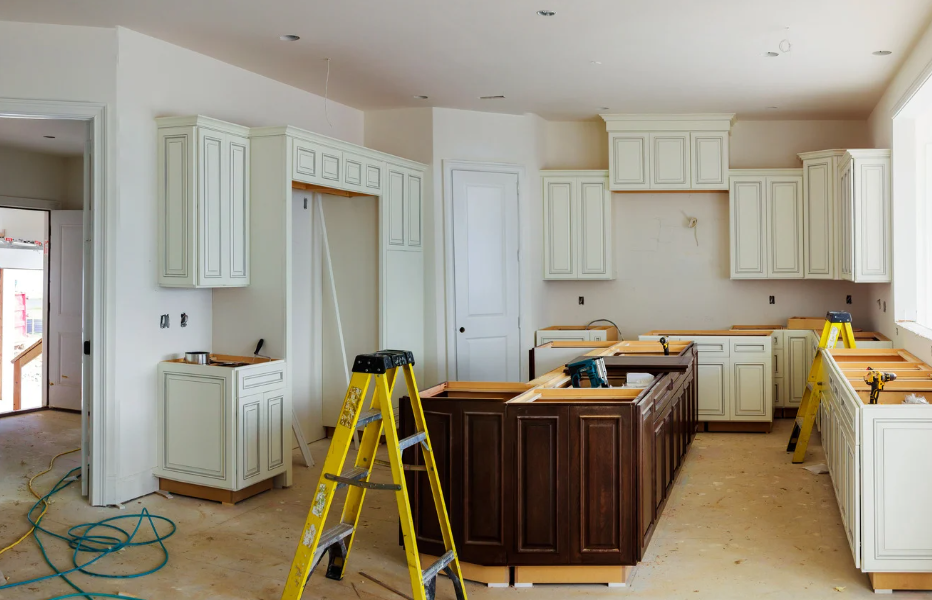
white kitchen

June 29, 2026 By Webmaster

2026 Design Build Additions Toronto Families Love Living In

white kitchen

By 2026, many Toronto families are choosing to stay in neighbourhoods they love and expand their homes instead of moving. A well planned design build addition can turn a cramped layout into a home that finally fits how your family lives, without bouncing between separate designers and contractors. The goal is not just more square footage, but space that feels natural, bright, and easy to live in.

Why Design Build Works So Well For Additions

With a design build approach, one team handles both the plans and the construction. For Toronto home additions, that means:

  • The design is created with real construction costs and local zoning in mind.
  • Structural solutions, windows, and finishes are chosen together instead of fighting each other.
  • Changes during the project are easier to handle because design and build are on the same side.

Families get a clearer picture of what is realistic for their lot, budget, and timeline.

Popular Addition Types Toronto Families Want In 2026

Common wishes that drive additions include:

  • Larger, brighter kitchen and family room spaces at the back of the house.
  • Main floor bedroom and bathroom for aging parents or future mobility needs.
  • Extra bedrooms and a second bathroom for growing kids.
  • Better connection to the backyard with larger patio doors and covered outdoor areas.

Design build additions can combine several of these goals into one integrated project instead of a series of small fixes.

Making New Space Feel Like It Belongs

One of the biggest fears with additions is that they will feel “tacked on.” Good design build projects avoid that by:

  • Aligning floor heights and ceiling lines so movement between old and new spaces feels natural.
  • Matching or thoughtfully updating exterior materials to keep the house visually coherent.
  • Planning sightlines so the new rooms feel connected to the rest of the home, not isolated.

Families end up with a home that feels bigger and more open, but still familiar.

Considering Long Term Needs, Not Just Today

Additions that families love living in years later are usually designed with the future in mind:

  • Flexible rooms that can shift from playroom to home office to guest space.
  • Wider hallways and doorways and fewer level changes for easier movement.
  • Storage built into walls, stairs, and landings to keep clutter under control.

Thinking ahead helps avoid the feeling of “outgrowing” the new space in only a few years.

Why Work With Heidan Construction On A 2026 Addition

A company experienced in design build home additions in Toronto can walk families through zoning rules, design options, and structural needs, then carry the project through permits and construction. Heidan Construction can help you shape an addition that respects your lot, your budget, and how your family actually lives day to day. The result is more than just extra rooms. It is a home that finally fits.

Contact us today. We’ll help you find the perfect home solutions for this summer.

Filed Under: Blog Tagged With: design build, home addition, kitchen renovation

contemporary main floor home addition

May 27, 2026 By Webmaster

Is A Main‑Floor Home Addition A Smart Move In Ontario In 2026?

contemporary main floor home addition

A main‑floor home addition can be a very smart move in Ontario in 2026, but only if it matches your long‑term plans, local market, and budget. Let’s walk through the key points a homeowner should weigh before committing.

Why Consider A Main‑Floor Addition Now?

  • Ontario housing prices and moving costs remain high, so adding space can be cheaper and less disruptive than buying a larger home.
  • A main‑floor addition can solve big lifestyle problems: cramped kitchens, lack of a family room, need for a main‑floor bedroom, or better flow for aging in place.

Financial Upside: Value vs. Cost

  • A well‑designed addition can increase resale value, especially if it adds highly desirable space (larger kitchen, family room, primary suite, or accessible bedroom/bath).
  • However, not every dollar spent comes back at resale; it’s smarter to see an addition as a mix of quality‑of‑life upgrade and long‑term investment, not a quick flip strategy.

When A Main‑Floor Addition Makes Sense

  • You love your neighbourhood, schools, commute, and lot, but the house feels too small or poorly laid out.
  • Zoning and lot size allow a reasonable footprint without overbuilding for the area.
  • You plan to stay at least 5–10 years, so you actually enjoy the added space and spread out the cost.

Design And Lifestyle Advantages

  • Main‑floor additions can dramatically improve flow: larger, brighter kitchen, open‑concept family area, or better connection to the backyard.
  • They also support aging in place by making a main‑floor bedroom, accessible bathroom, or wider hallways and doorways possible.

3 Risks To Watch For

  • Budget creep from structural changes, foundation work, and utility relocations if the project is not carefully scoped.
  • Poor design that adds square footage but doesn’t improve function, light, or resale appeal.
  • Ignoring energy performance and building envelope details, which can lead to higher heating/cooling costs and comfort issues.

How A Builder Like Heidan Can Help

  • A professional design–build team can evaluate whether an addition is right for your specific lot and neighbourhood, not just in theory.
  • They can explain trade‑offs between different addition sizes and layouts, and create a plan that balances budget, function, and future resale.

If you’re wondering whether a main‑floor home addition is the right move for your family in 2026, this is the perfect moment to explore your options with a professional. Instead of guessing about zoning, costs, or resale impact, sit down with a team that can look at your specific lot, your existing structure, and how you actually live day to day.

Heidan Construction can help you compare “renovate vs. move,” test different layouts, and flag hidden structural or permitting challenges before they become expensive surprises.

Whether you’re dreaming of a larger kitchen, a brighter family room, or a main‑floor bedroom for aging in place, a well‑planned addition can transform how your home works for you.

Reach out today to schedule a consultation and take the first step toward a smarter, more comfortable home that’s ready for the next decade.

Filed Under: Blog Tagged With: home addition, home renovation

contemporary bathroom remodel

May 27, 2026 By Webmaster

What is the most expensive part of a bathroom remodel?

contemporary bathroom remodel

For most Ontario homeowners, the most expensive part of a bathroom remodel is the labour-intensive, “behind the walls” work, not a single shiny fixture. Humidity control fits into this because it directly affects how long those expensive parts last before they fail or need repair.

Here’s how the cost typically breaks down and where humidity control matters most.


The Real Big Ticket: Labour + Plumbing/Electrical Changes

When people ask “what’s the most expensive part,” they usually mean: what eats the largest chunk of the budget? In a typical full bathroom remodel, it’s usually:

  • Labour and trades (plumbing, electrical, tile)
    • Moving drains, vent stacks, or supply lines is time‑consuming and skilled work.
    • Rewiring for more lighting, GFCI outlets, fans, and heated floors adds up.
    • Tile work (especially in showers) is labour‑heavy: waterproofing, setting tiles, grouting, and caulking.

In many projects, this “behind the tile” work plus tile install itself can be the single largest cost category, more than the tub or vanity.


Fixtures vs. Surfaces: Where Money Shows

Next in line:

  • Tile and waterproofing systems
    • Quality tile plus membranes, backer board, and proper detailing make up a big cost slice.
  • Cabinets, vanity, and countertop
    • Not usually as costly as kitchen cabinets, but still a visible, significant spend.
  • Plumbing fixtures
    • A standard toilet and mid‑range faucets are moderate; a custom shower system or freestanding tub can push this higher quickly.

None of these are very forgiving if humidity is poorly managed: excess moisture damages grout, swells cabinets, and can cause paint and caulking to fail early.


Where Humidity Control Fits Into Cost

Humidity control doesn’t usually show up as “the most expensive line item,” but it’s a small cost that protects the big ones:

  • Proper exhaust fan (sized for room and ducted outside, on a timer)
  • Good air sealing and insulation on exterior walls and ceilings
  • Thoughtful layout (so steamy areas like showers are well‑vented)

Skipping this or cheaping out means:

  • Tile and grout age faster (cracking, mould, efflorescence).
  • Vanities and trims swell or delaminate.
  • Repainting and minor repairs become a repeat cost instead of a once‑in‑a‑decade job.

So while humidity control isn’t the most expensive part, it’s one of the most important protections for the expensive parts.


How A Builder Like Heidan Can Help

For Heidan Construction, a strong angle is:

“Your biggest bathroom costs are the work you don’t see—plumbing, tile, and waterproofing—so we design humidity control that keeps those investments safe.”

That means:

  • Sizing and placing fans correctly
  • Using the right membranes and insulation in wet zones
  • Planning venting as carefully as tile patterns

Contact us today. Planning a bathroom remodel and worried about costs snowballing? Talk to Heidan Construction before you start tearing things out.

A quick conversation can help you understand where your budget really goes, how to protect the most expensive elements with proper humidity control, and which upgrades will give you the best long‑term value. Reach out today to schedule a consultation and turn your next bathroom project into a durable, low‑stress investment.

Filed Under: Blog Tagged With: bathroom remodel, remodeling

Family look over home addition blueprint in Toronto home

April 28, 2026 By Webmaster

What Adds $100,000 To Your House? Renovation Secrets

Family look over home addition blueprint in Toronto home

Many Toronto owners dream of upgrades that make real gains in value, not just quick style. Smart changes that blend design, layout, and indoor comfort can move your home into a higher price range. One key piece that often gets missed is quiet, steady humidity control that keeps rooms feeling calm year round.

Buyers Look Past Just Surface Style

Fresh paint and new floors catch the eye, yet savvy buyers look deeper. They notice how a home feels, smells, and sounds as they walk from room to room. Dry air, musty basements, or sticky top floors all send silent signals about how the home was built and cared for.

Upgrades that fix layout bottlenecks, add storage, and bring in more light also rank high. Open yet defined spaces, smart kitchens, and solid baths help buyers picture daily life. These are the areas that can move the price needle when done well.

Comfort Is A Hidden Value Driver

When rooms sit at stable temp and moisture levels, people relax. You can feel the difference as soon as you walk through the door. Windows stay clear, floors feel dry yet not brittle, and air feels fresh rather than stale.

High‑quality build work around walls, roofs, and mechanicals plays a big role. A home that can hold comfort in both winter and summer stands out in a city with wide swings like Toronto.

Key Projects That Often Raise Value

While no single project can promise a set gain, some upgrades tend to pay off more often:

  • Full kitchen rework with better flow and storage
  • Bath overhauls with modern fixtures and bright light
  • Strong main floor layout with clear sight lines
  • Finished basements that feel dry and bright
  • High‑grade windows and upgraded shell work

Each of these touches both how the home looks and how it performs. When done with clear design, they help support a higher price point.

Avoid Overbuilding For The Area

It is easy to get swept up in large, showy projects. Yet the best gains usually come when the home still fits the block. A lavish upgrade in a modest street can make it hard to recover costs.

Study recent sales in your area. If most homes have one or two key updates, match or gently exceed that level instead of racing far past it. This balance helps you aim for a smart, not wild, jump in value.

Work With A Builder Who Thinks Long Term

A good builder does more than follow a set of plans. They think about how each wall move, window choice, and system change will feel in daily life and at future sale. They can guide you toward projects that blend your own needs with what local buyers tend to want.

They also help you stage work over time. Some clients tackle shell and system items first, then plan showpiece spaces later. This keeps stress in check and still builds toward that higher value target.

Contact Heidan Construction Today

If you want to know which projects could move your home toward that next price band, contact Heidan Construction today. Their team can walk through your Toronto property, share honest insight on change ideas, and build a plan that lifts both comfort and long term value as you head into and beyond summer 2026.

Filed Under: Blog Tagged With: design build, remodeling

family with Toronto home

April 28, 2026 By Webmaster

What Is The 30% Rule For Home Renovation?

family with Toronto home

Many Toronto owners hear about the “30% rule” when they start to plan big changes. In simple terms, this rule says that once your home renovation hits a certain share of the home’s value, you should ask if a move or a full home addition or rebuild makes more sense. While it is not a law, it acts as a useful guide when you weigh costs.

What People Mean By The 30% Rule

The idea is that if your planned project costs more than about a third of what your home is worth, you may be better off with a larger strategy. That might mean adding a full new level, building out, or selling and buying a larger place instead.

It is a check point, not a hard stop. The number helps you pause and think before you sink a big sum into a house that may still not fit your long term needs even after the work.

Why This Rule Matters In Toronto 2026

In a city where prices are high, major jobs can also carry big price tags. Owners in 2026 need to think about both current comfort and future plans. Spending deep on a small home on a tight lot may not be wise if you hope to grow your family or add work space soon.

On the other hand, if your home sits in a strong area with room to expand, that same level of spend on smart upgrades could add clear value and improve daily life. The 30% idea nudges you to look at the big picture.

When A Larger Build Can Be The Better Path

If your list of needs is long—more beds, extra baths, a bigger kitchen, better entry, work zone—it might be time to think bigger than a simple refresh. In those cases, a full rework or significant build can solve many issues in one plan rather than through piecemeal jobs.

A larger project can also give you the chance to upgrade core systems like wiring, plumbing, and shell work while walls are open. This may add to cost but can also give more value and peace of mind over time.

How To Use The Rule In Your Own Planning

Start by getting a realistic view of current home value. Then get early ballpark ranges for the work you have in mind. If the rough cost sits well under that 30% mark, a more modest job may be a fine fit.

If the number climbs near or past that level, meet with a design‑build team to explore bigger ideas. They can show how a larger plan might give you more gain for a similar or slightly higher spend.

Talk With Pros Who Know Local Lots And Rules

Lot size, setback rules, and local height limits all shape what you can add. A builder who knows Toronto’s rules can tell you fast if that dream second floor or rear bump‑out is even allowed. That insight helps you see if a big project is realistic or if a move might be wiser.

Contact Heidan Construction Today

If the 30% rule has you wondering which path is right for your home, contact Heidan Construction today. Their team can review your wish list, assess your lot and structure, and help you decide whether a focused refresh or a bold home addition plan makes the most sense for your next step in 2026.

Filed Under: Blog Tagged With: home renovation

  • Page 1
  • Page 2
  • Page 3
  • Interim pages omitted …
  • Page 40
  • Go to Next Page »

Primary Sidebar

Residential Projects
Commercial Projects

Contact Us


    Footer

    550 Eglinton Ave. W PO Box 38059
    Toronto Ontario M5N 3A8
    TEL: 416-543-2945
    EMAIL: info@heidanconstruction.com

    Copyright © 2026 Heidan Construction Ltd.