• Skip to main content
  • Skip to primary sidebar
  • Skip to footer
  • Home
  • About Us
  • Custom Home
    • Luxury Custom Home Builders
    • Modern Custom Home Builders
    • Transitional Custom Home Builders
  • Home Additions
    • Custom Home Additions
    • Dining Room Addition
    • Family Room Addition
    • Rear Additions
    • Room Additions
    • Second Floor Additions
  • Commercial
    • Dental Offices
    • Medical Office Builders
    • Office Renovation Contractor
  • Design Build
    • Design Build Contractors
    • Commercial Design Build
    • Custom Home Design Build
    • Modern Design Build
  • Portfolio
    • Residential
    • Commercial
  • Media
  • Contact
  • Blog

Heidan Construction

Blog

Toronto home expansion

February 26, 2026 By Webmaster

2026 Guide To Expanding Your Home Stress-Free

Toronto home expansion

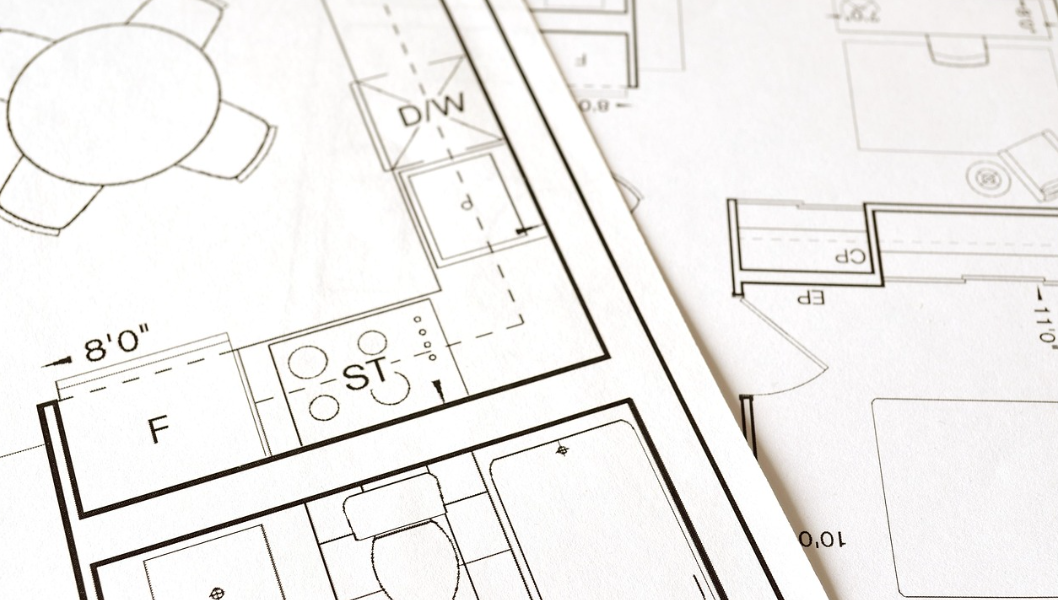
More Toronto owners see 2026 as the year to gain space instead of moving. home expansion plans can stay calm when you break the work into clear steps and lean on the right team. With solid design, sharp paperwork, and honest timelines, you can add rooms while daily life still feels stable.

Start With Why You Need More Room

Before sketches start, get clear on what feels tight in your home. Maybe kids share rooms, your home office sits in a drafty corner, or aging parents now live with you. When you name the main goals, such as a larger main suite, better work space, or more open family zones, you help your design team focus every square foot on real needs instead of vague “more space.”

Pick The Right Type Of Addition

Not every house needs the same fix. A rear addition can stretch your kitchen and living room into the yard, a side addition can add bedrooms or a quiet den, and a second floor can double your space without leaving your lot.

Basement conversions can turn unused lower levels into bright suites or media rooms if structure and moisture are handled with care. Each path has its own cost, timeline, and permit needs, so early talk with a builder helps match the choice to your lot, budget, and long term plans.

Plan For Permits In 2026 Toronto

Paperwork now runs through digital portals, which changes how you plan your dates. Every addition needs zoning review and a building permit, and some projects also need a variance if they push limits on height or lot coverage.

The city review often involves at least one round of comments and revisions, so it makes sense to start design and permit prep months before you want trades on site.

A builder who knows Toronto rules can shape drawings that fit local by‑laws and the Ontario Building Code from day one, which cuts back and forth later.

Keep The Design Cohesive

One big fear with any home expansion is that the new part will feel bolted on. A good design weaves roof lines, window styles, floor levels, and trim into one calm whole so the house looks like it was always meant to be that size. Inside, traffic paths, light, and sight lines matter just as much as square footage.

Thoughtful placement of stairs, doors, and storage keeps daily life smooth and helps the new rooms support how your family actually lives.

Manage Budget And Timeline Together

Stress climbs fast when money or time slip out of sight. Set a clear budget range and keep a reserve for surprises in structure, soil, or older wiring.

Lock key choices like layout, windows, and major finishes before demo, and avoid constant late changes that ripple through trades and costs.

Ask your builder for a rough phase plan that covers design, permits, framing, rough‑ins, and finishes, and check in at each milestone so small delays do not grow into major shocks.

Reduce Disruption During The Build

You do not need a chaotic home while work moves ahead. Simple steps like setting up a temp kitchen, clearing work paths, and planning which rooms stay in use can ease daily strain. For larger projects, you may time the noisiest stages when school is out or plan a short stay elsewhere during framing or major tie‑ins, while the crew keeps you updated with steady site notes.

Why Work With Heidan Construction In 2026

A calm home expansion comes from one team that guides you from first idea to final coat of paint. Heidan Construction designs and builds custom additions and whole home projects in Toronto, blending architectural detail with strong structure so new space flows with the old.

Their design‑build approach means you work with one group for plans, permits, and construction, which trims stress and keeps your 2026 project on a clear path from “too small” to “just right.”

Filed Under: Blog Tagged With: design build, home addition

dry bedroom

February 26, 2026 By Webmaster

How To Breathe Life Into Dry Toronto Bedrooms

dry bedroom

Toronto winters make bedrooms feel tight, dry, and stale. humidity control can turn that harsh air into a soft, calm backdrop for steady sleep and clear focus. With a smart mix of building tweaks and daily habits, you can shape rooms that match both health needs and long term home plans.

Why Winter Air Feels So Harsh

Cold outdoor air holds little moisture, and once it warms up inside, it dries out even more. Forced air systems common in GTA homes strip water from the air as they run, so by late winter, humidity can drop far below the comfort range. That dry mix leads to scratchy throats, static shocks, and restless sleep, and it can even cause small cracks in trim or hardwood.

Set Your Target Range

Most experts suggest a winter indoor humidity level around the mid range, high enough for comfort but low enough to avoid mold. When air dips too dry, you feel it in your skin and sinuses; when it rises too high, window frames, corners, and closets can start to grow damp.

A simple digital meter in the main hall and the primary bedroom gives you a quick read so you can adjust with real data, not guess work.

Tighten The Building Shell

Dry air often pairs with drafts, since leaks pull in more cold, low moisture air from outside. Sealing gaps around windows, doors, and outlets cuts that constant flow and makes any humidifier work more smoothly. In older Toronto homes, a deep renovation can add better windows, fresh insulation, and air sealing in walls and ceilings, which all help keep bedrooms stable in both temp and moisture.

Vent Smart, Not Just Often

Fresh air still matters, even in mid winter. Short, controlled window opens on milder days help clear stale air without dropping the room into deep chill. Bath fans, range hoods, and balanced fresh air systems move moist air and pollutants out while letting you fine tune how much new air comes in, which helps keep bedrooms from feeling stuffy or bone dry.

Design Bedrooms With Humidity In Mind

When you plan a remodel or addition, layout choices shape air flow and comfort. Avoid packing large closets on every exterior wall, as those cool, tight spaces can gather damp while the bedroom air stays dry.

Thoughtful vent and return placement, smart window sizes, and materials that handle low winter humidity without warping all add up to rooms that feel alive, not brittle, through late Winter and Spring 2026.

Daily Habits For Softer Air

Small steps in how you live in the space also count. Dry clothes in vented areas, run bath fans past shower time, and keep plants to a level that adds life without turning corners damp. Crack bedroom doors at night so system air can move freely, and use breathable bedding instead of plastic covers that trap moisture right where you rest.

Why Partner With Heidan Construction

If your bedrooms still feel off even after small fixes, the home itself may call for a deeper rethink. Heidan Construction designs and builds custom homes, additions, and major renovations in Toronto, with a focus on layouts and details that support healthy, balanced indoor air all year.

Their team can review your current shell, suggest changes to walls, windows, and mechanical layout, and create new bedroom suites that blend style, storage, and true humidity control into one clear plan.

Filed Under: Blog Tagged With: bedroom

winter home expansion

January 30, 2026 By Webmaster

Add a Room Before Construction Season Hits 2026

winter home expansion

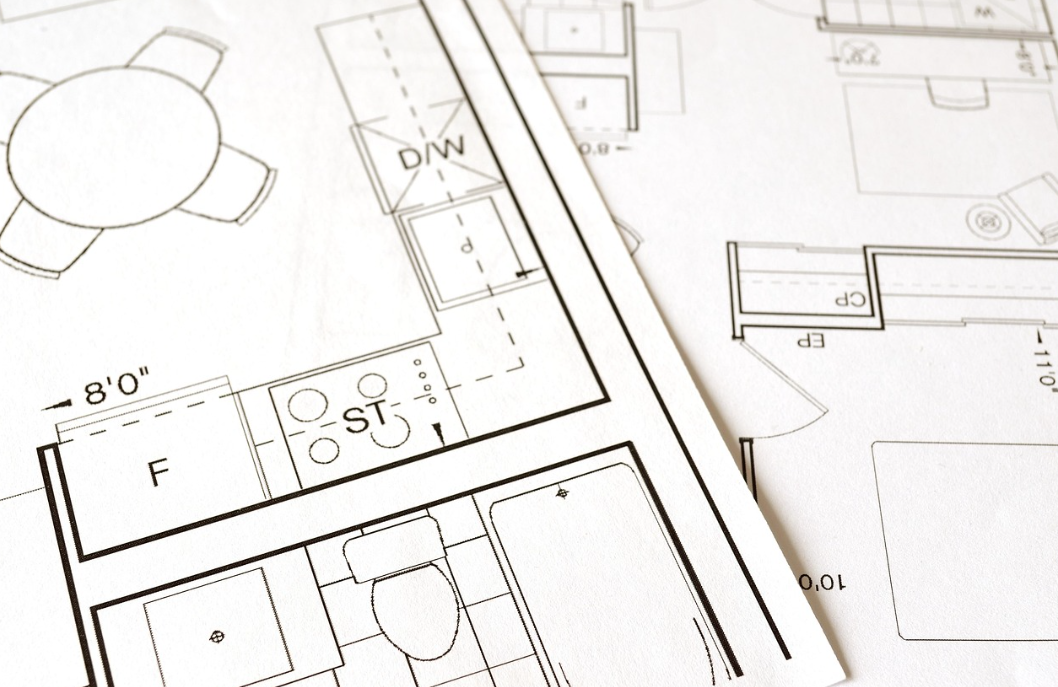
Homeowners often dream about extra space long before they call a contractor. The key to moving from idea to finished room is a clear winter home expansion blueprint. Planning now lets you reserve skilled crews and materials before the rush of peak construction season. By getting ahead of the curve, you protect your budget and your sanity.

Many people assume they should wait until warm weather to speak with designers or builders. A thoughtful winter home expansion blueprint actually gives you more leverage and scheduling options. With timelines mapped out early, permitting, design revisions, and financing have room to unfold without derailing the whole project. This preparation also uncovers hidden constraints like lot setbacks and utility easements.

Why Winter Planning Gives You an Edge

Construction crews often book their busiest months in late spring and summer, when weather supports excavation and exterior framing. If you begin conversations only then, you may face delays or premium pricing due to limited capacity. Starting in winter allows you to lock in a spot on the calendar and negotiate from a stronger position.​

Design and permitting rarely require warm weather. Architects, structural engineers, and municipalities work year-round, and they often have more time to respond in off-peak months. Using this quieter period for approvals clears the way for faster ground-breaking once temperatures rise.

Clarifying Your Space and Structural Needs

Before you think about finishes, you need to understand how the new room will tie into the existing structure. That includes foundation requirements, load paths for new walls or roofs, and how mechanical systems will extend into the addition. A designer or engineer will evaluate these constraints and translate them into accurate plans.

Function should drive layout. Decide whether the space will serve as a bedroom, office, in-law suite, or multipurpose area, and how it should connect to current traffic patterns. This step affects window placement, door swings, and even where electrical outlets and data ports should go. Thoughtful planning reduces expensive change orders later.

Budgeting with Realistic Numbers

Material costs and labor rates shift over time, and news headlines can lag behind local pricing. A detailed set of drawings enables contractors to provide itemized estimates instead of rough guesses. That clarity helps you prioritize needs versus nice-to-have upgrades, such as skylights, custom built-ins, or premium flooring.

Including a contingency reserve—often 10 to 20 percent of the total budget—gives you breathing room for surprises behind walls or underground. Discoveries like outdated wiring or undersized plumbing lines are common in older homes, and handling them correctly protects long-term safety and value.​

Navigating Zoning and Permits

Every city and suburb enforces zoning rules that define how far you can build toward property lines and how high structures may be. These regulations also determine whether you can add a separate entrance or convert space into a rentable unit. Submitting plans for review early helps you address any conflicts without rushing redesigns at the last minute.

Permit approval timelines vary widely by municipality and season. Winter often sees slightly shorter queues as fewer outdoor projects begin. Getting a head start means your project can move to construction as soon as ground conditions allow, instead of waiting for paperwork to catch up.

Coordinating Trades and Supply Lead Times

Room additions typically require coordination among multiple trades: framers, electricians, plumbers, HVAC technicians, roofers, and finish carpenters. A clear schedule prevents overlaps and downtime that can stretch projects for weeks. Detailed pre-planning helps each specialist understand when they are needed and what must be complete beforehand.

Supply chains for windows, doors, custom cabinetry, and specialized mechanical equipment still experience occasional delays in some regions. Ordering critical items early, once designs are finalized, ensures they arrive before crews need them. This sequencing keeps the project moving instead of waiting on backorders.​

Taking the Next Step

If adding a room is part of your vision for the coming year, the smartest move is to translate that idea into a structured plan now. Careful winter planning can secure better timelines, more accurate pricing, and smoother approvals.

Reach out today to discuss your goals, review your property, and turn your ideas into a buildable plan that positions your project ahead of the upcoming construction season.

Filed Under: Blog Tagged With: bedroom, design build

cozy winter bedroom

January 30, 2026 By Webmaster

Does Your Bedroom Breathe Wintertime Comfort Magic?

cozy winter bedroom

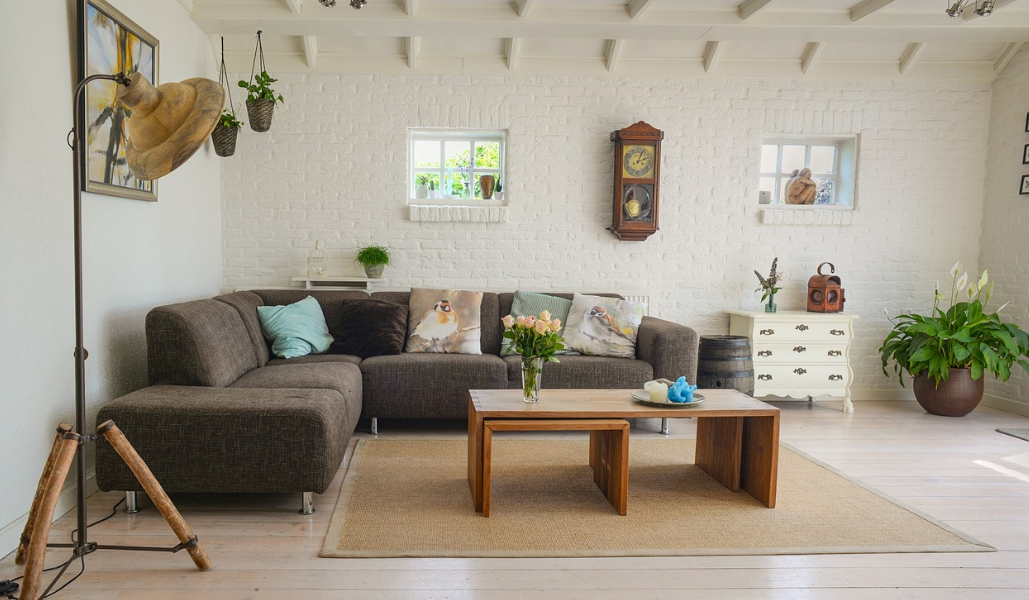
When temperatures drop, your bedroom should feel like a calm winter retreat, not a dry, static-filled cave. The secret often comes down to cozy winter bedroom humidity. Getting this right can improve sleep, protect furniture, and keep your skin from feeling like sandpaper. Done well, it turns a regular room into a comfortable refuge from bitter weather.

Many people adjust the thermostat and pile on blankets but ignore the invisible factor that controls how the room actually feels. Cozy winter bedroom humidity often matters more than a slight temperature tweak. Once you understand the right range and how to maintain it, you can stop guessing and start creating reliable comfort. From simple gadgets to better habits, you can tune the air in your room with the same care you give to your décor.

Why Humidity Controls Comfort

Dry air pulls moisture from your skin and respiratory system, leaving you itchy, congested, and waking up with a sore throat. When relative humidity drops below about 30 percent, these symptoms become more noticeable for most people. In winter, heated indoor air tends to fall under that threshold unless you intervene.

On the other hand, humidity above 50 percent can make the bedroom feel muggy and stuffy, even when the thermostat reads a normal temperature. Excess moisture also encourages mold, dust mites, and window condensation, which can damage sills and walls. Striking the balance between too dry and too damp is the goal.

The Ideal Winter Bedroom Range

Most building and HVAC experts recommend keeping indoor humidity between 30 and 50 percent year-round for general health and comfort. In colder winter conditions, a narrower band of roughly 30 to 40 percent in bedrooms usually feels warm yet crisp, without condensation on windows. This level supports comfortable breathing and better sleep quality without encouraging mold growth.

If outdoor temperatures plunge well below freezing, you may need to aim toward the lower end of that range to prevent frost on glass and hidden moisture inside walls. A small digital hygrometer lets you track these changes accurately instead of guessing. Watching both temperature and humidity gives you a clearer picture of why some nights feel harsher than others.​

Tools to Measure and Manage Humidity

A basic indoor hygrometer or combined temperature–humidity monitor is inexpensive and highly effective for bedroom use. Many smart thermostats now display humidity, and some models can even trigger a whole-home humidifier. This feedback loop helps you avoid extremes that can damage wood furniture and floors.

To add moisture, portable ultrasonic or evaporative humidifiers work well in bedrooms, especially when used with distilled or filtered water to reduce mineral dust. To reduce high humidity from overcrowding or poor ventilation, a small dehumidifier or even a properly vented bathroom fan near the bedroom can help draw excess moisture out of the air.​

Health and Sleep Benefits

Balanced humidity supports your body’s natural defenses, keeping nasal passages moist and helping your lungs clear particles and viruses more effectively. People often report fewer nosebleeds, less nighttime coughing, and less snoring when humidity stays in the recommended range. Skin also tends to feel smoother and less irritated, which improves overall comfort getting into bed.

Sleep research points to a combination of slightly cooler temperatures and moderate humidity as the most supportive environment for deep, restorative sleep. When the air is too dry, you may toss and turn from throat irritation; when it is too damp, you may wake feeling clammy. Managing this factor gives you control over variables that often feel random.​

Protecting Furniture, Floors, and Fabrics

Humidity does more than affect people; it influences the materials in your bedroom as well. Wood furniture and floors can crack if the air stays too dry and can swell or warp if it is too wet. Keeping levels in the 30 to 50 percent zone helps maintain stable dimensions and extends the life of these investments.

Even mattresses and bedding react to moisture in the air. Very damp environments can invite dust mites and mildew in textiles, while extremely dry conditions can make fabrics feel rough and uncomfortable. Balancing humidity along with regular cleaning preserves both cleanliness and comfort.​

Practical Steps You Can Take This Week

You can start improving your bedroom air in just a few steps:

  • Place a digital hygrometer by the bed to monitor humidity.
  • Adjust a humidifier or dehumidifier to keep readings between 30 and 40 percent in winter.
  • Run exhaust fans during showers and cooking to prevent excess moisture from spreading through the home.
  • Close bedroom doors when running a humidifier so the room reaches its target range more efficiently.

Fine-tuning humidity may seem minor, but it can transform how your bedroom feels during the coldest weeks of the year.

When you are ready to turn your bedroom into a reliably comfortable winter haven, contact our team for tailored indoor comfort guidance, product recommendations, and full installation support.

Filed Under: Blog Tagged With: bedroom, bedroom renovation

home-expansion-design

December 29, 2025 By Webmaster

Double Your Space Without Moving: 2026 Home Trends

home-expansion-design

Toronto’s housing market makes moving expensive and stressful currently. Strategic home expansion design adds space for less than relocation costs. Your lot likely has untapped potential waiting for development. Growing families need more room without changing neighborhoods they love.

Why Expand Instead Of Move

Real estate fees consume five percent of sale prices immediately lost. Moving costs add thousands more between movers and time off. New neighborhoods mean starting over with schools and community connections. Smart home expansion design keeps you rooted while gaining needed space efficiently. Land transfer taxes in Toronto reach massive amounts quickly escalating costs.

Building up or out costs forty to sixty percent less than moving typically. You control the design creating exactly what your family needs. No surprises lurk like in existing homes hiding problems always. Your investment directly improves your property value measurably and permanently. Mortgage rates on renovations often beat purchase rates currently available.

Second Story Additions Maximize Land

Doubling your footprint without losing yard space makes sense here. Foundations typically support additional floors with minor reinforcements needed sometimes. Costs run lower than excavating basements or building outward significantly. Three to four bedrooms fit above existing single-story homes easily. Design stairs carefully to minimize space lost on lower floors.

Bump-Outs Add Space Affordably

Extend one room six to eight feet gaining significant area. Kitchens and dining rooms benefit most from bump-out additions. Costs run thirty to fifty thousand for typical projects completed. Foundation work stays minimal keeping budgets reasonable throughout construction. Permits process faster than full additions in most municipalities.

Basement Renovations Unlock Hidden Space

Finishing basements adds fifty to seventy percent of square footage. Costs run fifty to one hundred dollars per square foot. Bedrooms, offices, and recreation rooms fit below ground level. Address moisture and egress requirements meeting code standards always. Proper insulation makes basements comfortable year-round for daily use.

Garage Conversions Repurpose Existing Space

Living space costs less than new construction significantly. Foundation and roof already exist reducing major expenses. Permits still required but process moves faster usually. Consider parking needs before converting permanently though. Resale value can suffer if garage loss matters to buyers.

Attic Finishing Captures Wasted Volume

Unused attics offer hundreds of square feet potentially available now. Dormers add headroom and light making spaces truly usable. Insulation and climate control require attention for comfort achieved. Access stairs must meet code for legal bedroom designations. These spaces work perfectly for kids, guests, or home offices.

Sunroom Additions Extend Living Season

Three-season rooms cost less than fully conditioned spaces built. They provide outdoor feelings without weather exposure or insects. Heating options allow year-round use in Toronto’s climate variability. Large windows flood spaces with natural light boosting mood. Perfect for dining, lounging, or indoor plant growing year-round.

Laneway Houses Maximize Urban Lots

Toronto now allows these secondary dwellings on qualifying properties. Rent them for income covering construction costs over time. House aging parents or adult children maintaining independence nearby. Boost property values significantly with legal secondary suites added. Zoning rules vary so research your specific property eligibility first.

Planning Process Takes Time

Hire architects experienced with local bylaws and permit processes. Get three quotes from reputable builders with references checked. Budget ten to fifteen percent extra for unforeseen issues arising. Secure financing before starting to avoid construction delays happening. Live elsewhere during major work or plan temporary kitchen setups.

Maximize Return On Investment

Kitchens and bathrooms return highest percentages of costs invested. Additional bedrooms matter more than oversized primary suites built. Match neighborhood standards avoiding over-improving for your area. Quality finishes matter but avoid ultra-luxury in average neighborhoods. Function should drive design more than trendy features fading.

2026 Design Trends To Consider

Open concepts remain popular for main living areas throughout homes. Multi-use spaces adapt as family needs change over years. Home offices became standard expectations post-pandemic for workers. Outdoor connections through large doors and windows matter significantly. Sustainable materials and energy efficiency attract modern buyers increasingly.

Start Planning This Winter

January provides perfect timing for spring construction starts ahead. Architects and designers have availability during slower winter months. Permitting takes weeks or months depending on project complexity. Secure contractor quotes and schedules before busy season begins. Financing applications process while you finalize design details completely.

Your current home likely has more potential than you realize. Expansion costs far less than buying and moving elsewhere. Toronto’s competitive market makes improving your current property smart. 2026 brings opportunities to create your dream home exactly. Stop browsing listings and start planning your expansion today. Your perfect home exists within your current property boundaries.

Filed Under: Blog Tagged With: design build, home addition, home renovation

cozy-bedroom-design

December 29, 2025 By Webmaster

2026 Goals! Restyle Your Bedroom Into A Winter Sanctuary

cozy-bedroom-design

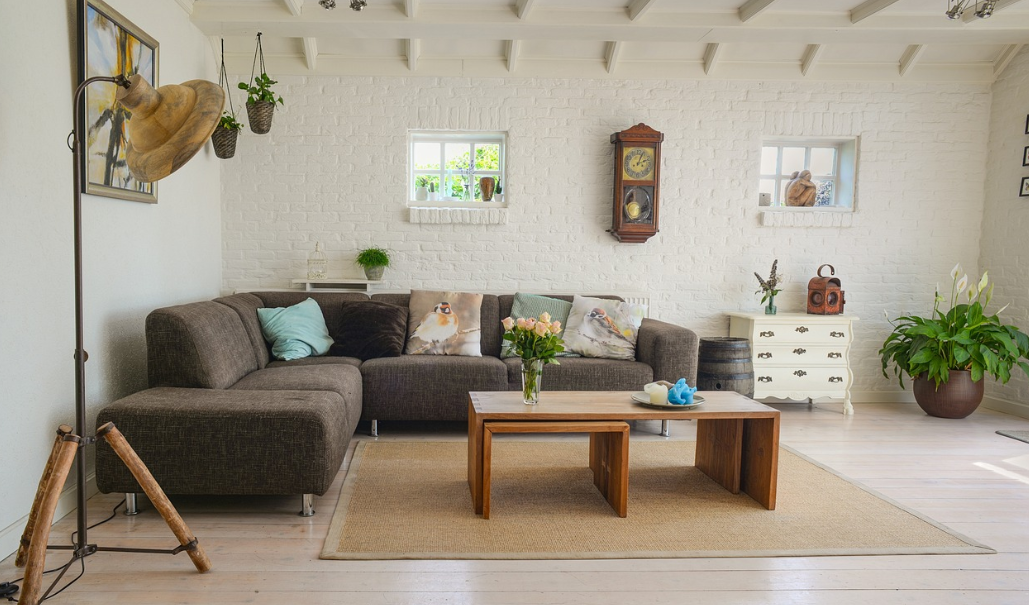
January nights feel endless in Toronto’s bitter cold currently. Thoughtful cozy bedroom design transforms chilly spaces into warm refuges you’ll love. Your bedroom should nurture rest, not test your endurance. Small changes create dramatically different feelings and comfort levels.

Start With Textiles

Layers create warmth both physically and visually in spaces. Smart cozy bedroom design stacks textures creating inviting, comfortable environments for sleeping and relaxing. Flannel sheets feel soft against skin on cold nights. Down comforters trap body heat without excessive weight pressing down. Quilts add another insulating layer plus visual interest too.

Throw blankets drape over bed ends for extra warmth. Faux fur adds luxury without harming animals unnecessarily. Chunky knit blankets provide modern texture and substantial warmth. Mix patterns carefully avoiding overwhelming the eye with chaos. Stick to complementary colors tying everything together beautifully.

Rug Placement Warms Feet

Cold floors shock bare feet each morning starting days badly. Large rugs beside beds cushion first steps each day. Sheepskin or high-pile options feel luxurious and warm. Position rugs where feet land when exiting bed naturally. Rug pads prevent slipping while adding extra insulation beneath.

Window Treatment Blocks Drafts

Heavy curtains stop cold air flowing from glass surfaces. Thermal linings add insulation without changing room aesthetics visible. Extend rods beyond frames so fabric seals edges completely. Close curtains at dusk trapping warmth inside all night. Open during sunny days for free passive solar heating.

Lighting Creates Ambiance

Warm-toned bulbs mimic candlelight and sunset glows beautifully. Dimmer switches adjust brightness matching mood and time. Bedside lamps eliminate harsh overhead lighting before sleep. String lights add whimsy and gentle illumination beautifully. Himalayan salt lamps provide soft pink warming glows.

Color Psychology Matters

Warm tones like rust, terracotta, and gold create cozy feelings. Deep blues and greens feel calming without reading as cold. Avoid stark whites that amplify winter’s chill visually instead. Add warmth through accent walls or textiles strategically placed. Paint costs little but transforms room atmosphere dramatically fast.

Bedding Height Adds Drama

Stack pillows creating inviting nests begging you to climb in. European squares provide height behind standard pillows beautifully arranged. Add lumbar or decorative pillows for finishing touches completing looks. More pillows equal more warmth and more visual appeal. This hotel trick works wonderfully in home bedrooms too.

Scent Influences Comfort

Lavender promotes relaxation and better sleep quality proven scientifically. Vanilla creates warm, comforting associations triggering pleasant memories linked. Cinnamon and clove evoke cozy holiday feelings year-round when used. Essential oil diffusers disperse scents safely without open flames. Change scents seasonally preventing olfactory fatigue from overexposure happening.

Declutter For Peace

Messy spaces create stress undermining relaxation goals completely here. Clear surfaces promote calm minds preparing for restful sleep. Use closed storage hiding necessary items from view neatly. Keep only items serving purpose or bringing joy daily. Minimalism doesn’t mean cold; it means intentional and peaceful.

Seating Creates Retreat Feeling

Reading chairs turn bedrooms into private sanctuaries beyond sleeping only. Window seats utilize architectural features beautifully for cozy nooks. Ottoman or bench at bed foot provides practical and aesthetic value. Create spaces inviting you to linger and unwind properly. Bedrooms should serve multiple relaxation functions beyond sleep alone.

Personal Touches Matter Most

Display photos of loved ones and happy memories collected. Artwork reflecting your personality makes spaces truly yours uniquely. Collections arranged thoughtfully add character and conversation starters always. Books stacked beside beds signal intellectual curiosity and comfort. Your bedroom should reflect who you are authentically inside.

Maintain Optimal Temperature

Sixty-five to sixty-eight degrees promotes best sleep quality proven. Programmable thermostats lower temps slightly at bedtime automatically saving money. Space heaters supplement if central heating proves inadequate in rooms. Heated mattress pads warm beds before you climb in nightly. Socks keep feet warm without overheating your entire body uncomfortably.

Plan Your January Refresh

New year resolutions include creating healthier living spaces at home. Small bedroom improvements boost mood and sleep quality measurably documented. Shop post-holiday sales for textiles and decor at discounts. Tackle one upgrade weekly making progress without overwhelming yourself completely. Your sanctuary awaits simple, thoughtful changes starting today now.

Winter bedrooms don’t have to feel like ice caves endured. Cozy design creates spaces you’ll never want to leave. Toronto’s long, dark winters demand comfortable refuges at home. Your bedroom influences sleep quality and overall wellness significantly. Stop tolerating cold, uninviting spaces immediately starting now. Create the warm sanctuary you deserve this season completely.

Filed Under: Blog

  • Page 1
  • Page 2
  • Page 3
  • Interim pages omitted …
  • Page 39
  • Go to Next Page »

Primary Sidebar

Residential Projects
Commercial Projects

Contact Us


    Footer

    550 Eglinton Ave. W PO Box 38059
    Toronto Ontario M5N 3A8
    TEL: 416-543-2945
    EMAIL: info@heidanconstruction.com

    Copyright © 2026 Heidan Construction Ltd.