• Skip to main content
  • Skip to primary sidebar
  • Skip to footer
  • Home
  • About Us
  • Custom Home
    • Luxury Custom Home Builders
    • Modern Custom Home Builders
    • Transitional Custom Home Builders
  • Home Additions
    • Custom Home Additions
    • Dining Room Addition
    • Family Room Addition
    • Rear Additions
    • Room Additions
    • Second Floor Additions
  • Commercial
    • Dental Offices
    • Medical Office Builders
    • Office Renovation Contractor
  • Design Build
    • Design Build Contractors
    • Commercial Design Build
    • Custom Home Design Build
    • Modern Design Build
  • Portfolio
    • Residential
    • Commercial
  • Media
  • Contact
  • Blog

Heidan Construction

Blog

home-expansion-design

December 29, 2025 By Webmaster

Double Your Space Without Moving: 2026 Home Trends

home-expansion-design

Toronto’s housing market makes moving expensive and stressful currently. Strategic home expansion design adds space for less than relocation costs. Your lot likely has untapped potential waiting for development. Growing families need more room without changing neighborhoods they love.

Why Expand Instead Of Move

Real estate fees consume five percent of sale prices immediately lost. Moving costs add thousands more between movers and time off. New neighborhoods mean starting over with schools and community connections. Smart home expansion design keeps you rooted while gaining needed space efficiently. Land transfer taxes in Toronto reach massive amounts quickly escalating costs.

Building up or out costs forty to sixty percent less than moving typically. You control the design creating exactly what your family needs. No surprises lurk like in existing homes hiding problems always. Your investment directly improves your property value measurably and permanently. Mortgage rates on renovations often beat purchase rates currently available.

Second Story Additions Maximize Land

Doubling your footprint without losing yard space makes sense here. Foundations typically support additional floors with minor reinforcements needed sometimes. Costs run lower than excavating basements or building outward significantly. Three to four bedrooms fit above existing single-story homes easily. Design stairs carefully to minimize space lost on lower floors.

Bump-Outs Add Space Affordably

Extend one room six to eight feet gaining significant area. Kitchens and dining rooms benefit most from bump-out additions. Costs run thirty to fifty thousand for typical projects completed. Foundation work stays minimal keeping budgets reasonable throughout construction. Permits process faster than full additions in most municipalities.

Basement Renovations Unlock Hidden Space

Finishing basements adds fifty to seventy percent of square footage. Costs run fifty to one hundred dollars per square foot. Bedrooms, offices, and recreation rooms fit below ground level. Address moisture and egress requirements meeting code standards always. Proper insulation makes basements comfortable year-round for daily use.

Garage Conversions Repurpose Existing Space

Living space costs less than new construction significantly. Foundation and roof already exist reducing major expenses. Permits still required but process moves faster usually. Consider parking needs before converting permanently though. Resale value can suffer if garage loss matters to buyers.

Attic Finishing Captures Wasted Volume

Unused attics offer hundreds of square feet potentially available now. Dormers add headroom and light making spaces truly usable. Insulation and climate control require attention for comfort achieved. Access stairs must meet code for legal bedroom designations. These spaces work perfectly for kids, guests, or home offices.

Sunroom Additions Extend Living Season

Three-season rooms cost less than fully conditioned spaces built. They provide outdoor feelings without weather exposure or insects. Heating options allow year-round use in Toronto’s climate variability. Large windows flood spaces with natural light boosting mood. Perfect for dining, lounging, or indoor plant growing year-round.

Laneway Houses Maximize Urban Lots

Toronto now allows these secondary dwellings on qualifying properties. Rent them for income covering construction costs over time. House aging parents or adult children maintaining independence nearby. Boost property values significantly with legal secondary suites added. Zoning rules vary so research your specific property eligibility first.

Planning Process Takes Time

Hire architects experienced with local bylaws and permit processes. Get three quotes from reputable builders with references checked. Budget ten to fifteen percent extra for unforeseen issues arising. Secure financing before starting to avoid construction delays happening. Live elsewhere during major work or plan temporary kitchen setups.

Maximize Return On Investment

Kitchens and bathrooms return highest percentages of costs invested. Additional bedrooms matter more than oversized primary suites built. Match neighborhood standards avoiding over-improving for your area. Quality finishes matter but avoid ultra-luxury in average neighborhoods. Function should drive design more than trendy features fading.

2026 Design Trends To Consider

Open concepts remain popular for main living areas throughout homes. Multi-use spaces adapt as family needs change over years. Home offices became standard expectations post-pandemic for workers. Outdoor connections through large doors and windows matter significantly. Sustainable materials and energy efficiency attract modern buyers increasingly.

Start Planning This Winter

January provides perfect timing for spring construction starts ahead. Architects and designers have availability during slower winter months. Permitting takes weeks or months depending on project complexity. Secure contractor quotes and schedules before busy season begins. Financing applications process while you finalize design details completely.

Your current home likely has more potential than you realize. Expansion costs far less than buying and moving elsewhere. Toronto’s competitive market makes improving your current property smart. 2026 brings opportunities to create your dream home exactly. Stop browsing listings and start planning your expansion today. Your perfect home exists within your current property boundaries.

Filed Under: Blog Tagged With: design build, home addition, home renovation

cozy-bedroom-design

December 29, 2025 By Webmaster

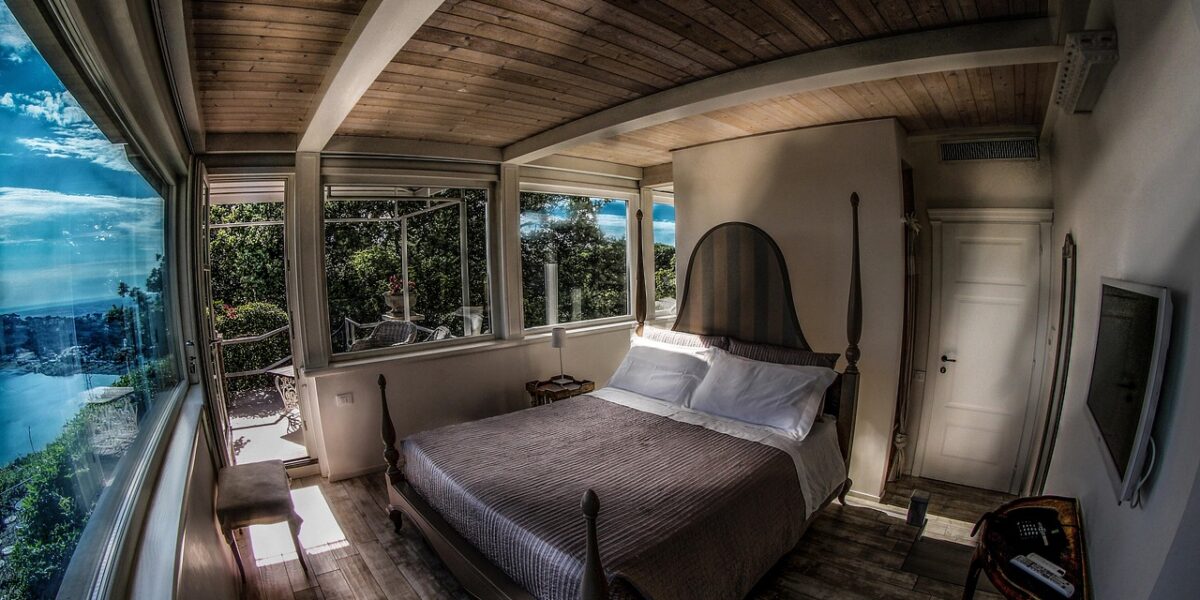
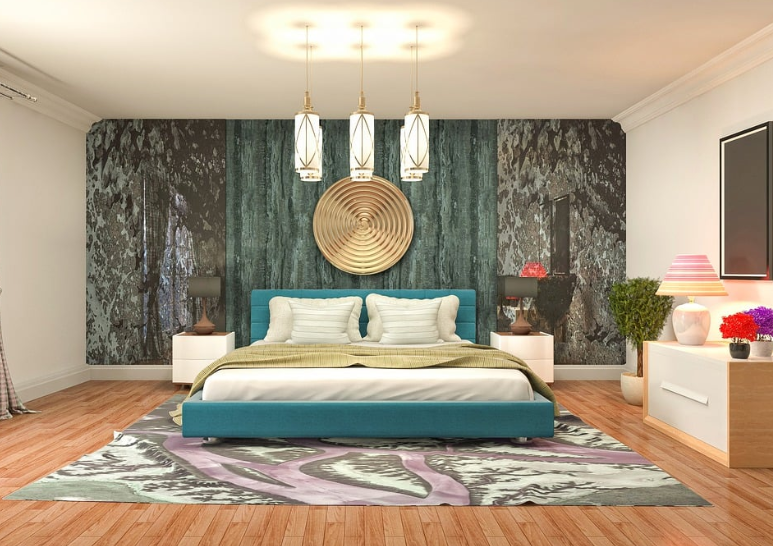
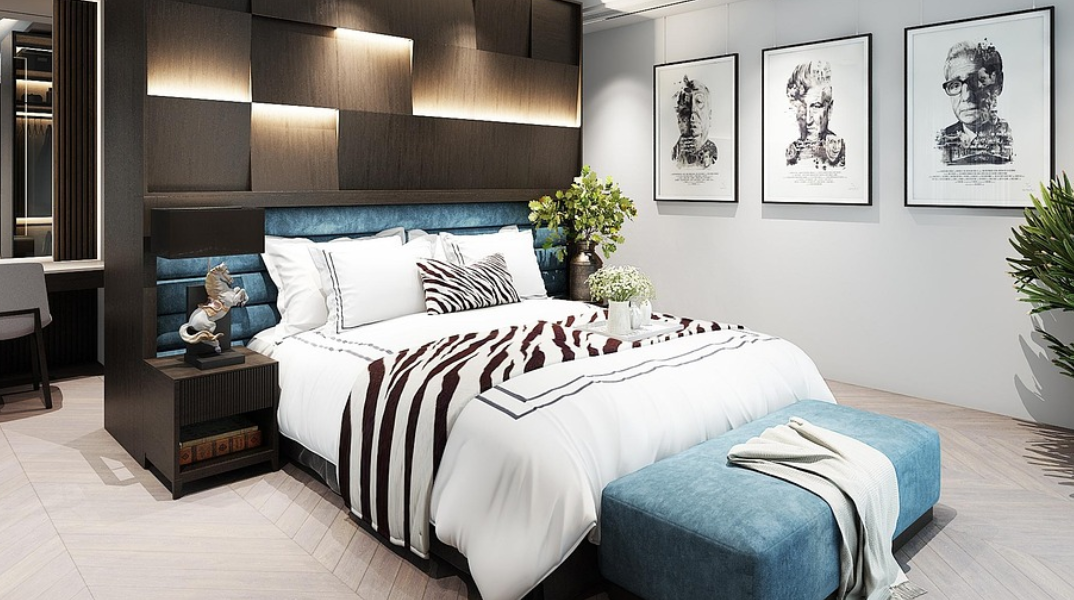
2026 Goals! Restyle Your Bedroom Into A Winter Sanctuary

cozy-bedroom-design

January nights feel endless in Toronto’s bitter cold currently. Thoughtful cozy bedroom design transforms chilly spaces into warm refuges you’ll love. Your bedroom should nurture rest, not test your endurance. Small changes create dramatically different feelings and comfort levels.

Start With Textiles

Layers create warmth both physically and visually in spaces. Smart cozy bedroom design stacks textures creating inviting, comfortable environments for sleeping and relaxing. Flannel sheets feel soft against skin on cold nights. Down comforters trap body heat without excessive weight pressing down. Quilts add another insulating layer plus visual interest too.

Throw blankets drape over bed ends for extra warmth. Faux fur adds luxury without harming animals unnecessarily. Chunky knit blankets provide modern texture and substantial warmth. Mix patterns carefully avoiding overwhelming the eye with chaos. Stick to complementary colors tying everything together beautifully.

Rug Placement Warms Feet

Cold floors shock bare feet each morning starting days badly. Large rugs beside beds cushion first steps each day. Sheepskin or high-pile options feel luxurious and warm. Position rugs where feet land when exiting bed naturally. Rug pads prevent slipping while adding extra insulation beneath.

Window Treatment Blocks Drafts

Heavy curtains stop cold air flowing from glass surfaces. Thermal linings add insulation without changing room aesthetics visible. Extend rods beyond frames so fabric seals edges completely. Close curtains at dusk trapping warmth inside all night. Open during sunny days for free passive solar heating.

Lighting Creates Ambiance

Warm-toned bulbs mimic candlelight and sunset glows beautifully. Dimmer switches adjust brightness matching mood and time. Bedside lamps eliminate harsh overhead lighting before sleep. String lights add whimsy and gentle illumination beautifully. Himalayan salt lamps provide soft pink warming glows.

Color Psychology Matters

Warm tones like rust, terracotta, and gold create cozy feelings. Deep blues and greens feel calming without reading as cold. Avoid stark whites that amplify winter’s chill visually instead. Add warmth through accent walls or textiles strategically placed. Paint costs little but transforms room atmosphere dramatically fast.

Bedding Height Adds Drama

Stack pillows creating inviting nests begging you to climb in. European squares provide height behind standard pillows beautifully arranged. Add lumbar or decorative pillows for finishing touches completing looks. More pillows equal more warmth and more visual appeal. This hotel trick works wonderfully in home bedrooms too.

Scent Influences Comfort

Lavender promotes relaxation and better sleep quality proven scientifically. Vanilla creates warm, comforting associations triggering pleasant memories linked. Cinnamon and clove evoke cozy holiday feelings year-round when used. Essential oil diffusers disperse scents safely without open flames. Change scents seasonally preventing olfactory fatigue from overexposure happening.

Declutter For Peace

Messy spaces create stress undermining relaxation goals completely here. Clear surfaces promote calm minds preparing for restful sleep. Use closed storage hiding necessary items from view neatly. Keep only items serving purpose or bringing joy daily. Minimalism doesn’t mean cold; it means intentional and peaceful.

Seating Creates Retreat Feeling

Reading chairs turn bedrooms into private sanctuaries beyond sleeping only. Window seats utilize architectural features beautifully for cozy nooks. Ottoman or bench at bed foot provides practical and aesthetic value. Create spaces inviting you to linger and unwind properly. Bedrooms should serve multiple relaxation functions beyond sleep alone.

Personal Touches Matter Most

Display photos of loved ones and happy memories collected. Artwork reflecting your personality makes spaces truly yours uniquely. Collections arranged thoughtfully add character and conversation starters always. Books stacked beside beds signal intellectual curiosity and comfort. Your bedroom should reflect who you are authentically inside.

Maintain Optimal Temperature

Sixty-five to sixty-eight degrees promotes best sleep quality proven. Programmable thermostats lower temps slightly at bedtime automatically saving money. Space heaters supplement if central heating proves inadequate in rooms. Heated mattress pads warm beds before you climb in nightly. Socks keep feet warm without overheating your entire body uncomfortably.

Plan Your January Refresh

New year resolutions include creating healthier living spaces at home. Small bedroom improvements boost mood and sleep quality measurably documented. Shop post-holiday sales for textiles and decor at discounts. Tackle one upgrade weekly making progress without overwhelming yourself completely. Your sanctuary awaits simple, thoughtful changes starting today now.

Winter bedrooms don’t have to feel like ice caves endured. Cozy design creates spaces you’ll never want to leave. Toronto’s long, dark winters demand comfortable refuges at home. Your bedroom influences sleep quality and overall wellness significantly. Stop tolerating cold, uninviting spaces immediately starting now. Create the warm sanctuary you deserve this season completely.

Filed Under: Blog

recreation room with pool table home additions

November 28, 2025 By Webmaster

Why Are Toronto Additions Delayed Every Winter?

recreation room with pool table home additions

In the winter, home addition remodeling grinds to a halt. Weather delays pile up. Material shipments freeze. Work takes three times longer.​

Smart builders start additions in spring or finish them by fall. Winter pushes timelines months past contract dates.​

Why Temps Below Minus Fifteen Stop Work

Cold makes everything slower. Concrete won’t set right in freeze temps. Caulk won’t cure. Paint dries too fast and cracks. Adhesives fail.​

Material brittleness becomes real. Metal gets stiff. Plastic cracks. Even wood behaves odd.​

Safe work practices limit hours too. Cranes can’t operate in high winds. Workers need breaks from the cold. Nobody can work eight straight hours below minus ten.​

On average, Toronto loses five to seven days per month due to cold.​

Schedule Gets Crushed By Snow Removal

Every snowfall stops exterior work. Remove the snow. Wait for temps to rise. Resume work. Another storm hits.​

January and February bring the most snow. Work crawls. Material deliveries get delayed by weather. Crews call in sick from the cold.​

A project supposed to take sixteen weeks stretches to twenty-four weeks.​

Permits and Inspections Slow Down

Building dept staff take holidays. Office hours shrink. Inspections get booked weeks out.​

Summer? You call Thursday, get inspected Friday. Winter? You call and hear “we’ll schedule you for late January”.​

Add four to six weeks just for permit delays.​

Material Delivery Becomes a Nightmare

Suppliers reduce operations in winter. Concrete trucks don’t run. Lumber shipments get delayed. Specialty items like windows take twice as long.​

Order early in fall or wait until spring. Winter orders often don’t arrive until March.​

Best Timing for Additions

Start in May, finish by October. This gives five months of good weather. Interior work continues indoors through November if needed.​

Starting in October? You’re fighting an uphill battle.​

November starts are asking for trouble. Expect delays. Budget three to four extra months.​

For critical timing—a family moving in a specific month—plan around summer construction only.​

What Contractors Can Prepare

Smart builders order materials by August. They pull permits early. They schedule framing work for June-July-August.​

They plan interior finishes—drywall, paint, flooring—for September-October. If done by late October, they beat the hard freeze.​

Even with great planning, winter weather adds stress. But starting early limits damage.​

Cost Impacts of Winter Delays

Delays cost money. Workers sit idle. Equipment rental extends. Temp power stays on longer. Heating costs spike.​

A twenty thousand delay in labor is common. Add ten thousand in extra overhead. Winter brings unexpected costs.​

Starting the project earlier actually saves money long-term.​

Call the Experts at Heidan Construction

Cold stops progress. Snow brings stoppage. Permits slow. Materials don’t arrive.​

Experienced Toronto builders know this. They avoid November starts. They finish exteriors by fall.​

For homeowners? Plan for spring or early summer starts. Or budget for delays if you must build in fall.​

The best addition timing in Toronto? May through September.

It’s never too early to discuss your upcoming home addition or remodel. Give Heidan Construction a call today. We will help you make your dream home happen.

Filed Under: Blog Tagged With: home addition

simple minimalistic off white monochromatic Toronto bedroom renos fail due to design flaws that create small, cluttered spaces. Learn which bugs plague bedroom remodeling Toronto

November 27, 2025 By Webmaster

2026 Bedroom Reno Bugs Torontonians Need Gone

simple minimalistic off white monochromatic Toronto bedroom renos fail due to design flaws that create small, cluttered spaces. Learn which bugs plague bedroom remodeling Toronto

Most DIY Toronto bedroom renos end up cramped, cold, and ugly. Homeowners make the same layout mistakes that turn ten-by-twelve rooms into chaos. Some bugs repeat in reno after reno.​

Bug One: Beds That Are Way Too Big

King beds look great online. In a small room, they’re crushing. You can barely squeeze past them. Nightstands don’t fit. Dressers don’t fit. The room feels like a jail cell.​

Smart move? Measure the bed against your actual space. A queen fits better in most Toronto homes. Test the layout by taping floor marks where furniture goes. Walk around. Can you move freely?​

Skip this and you regret fast.​

Bug Two: No Good Lighting Plan

Many renos skip lighting detail. One overhead light makes rooms feel institutional. No bedside lights for reading. No accent lights.​

Plan lighting before demo starts. Add bedside sconces. Install dimmers for mood. Recessed lights work in low ceilings.​

Lighting changes how a room feels. Cheap here costs regret later.​

Bug Three: Crammed Storage That Doesn’t Work

Closets in older Toronto homes are tiny. Renos often leave them that way. Result? Clothes on the floor. Stuff on chairs.​

Built-in units solve this. Shelving above the door adds space. Wall-mounted racks free floor area. Don’t just accept small closets.​

Figure out what you need to store. Hanging space? Shoe storage? Shelves? Then design for that.​

Bug Four: Poor Flow and Traffic

Furniture blocking walkways creates stress. Opening a closet door that blocks the path is annoying. Reaching a dresser requires gymnastic moves.​

Think about how people move through the room. Main traffic should have clear paths. Don’t put big furniture in doorways. Sliding doors work better than swing doors in tight spaces.​

Sketch the layout before buying anything.​

Bug Five: Colors That Don’t Relax

Bright colors might look cool online. In a bedroom, they keep you wired. Purple walls? High-energy tones? Not ideal.​

Choose calm colors—soft grays, light blues, warm taupes. These support sleep. Save bold colors for accents or art.​

Test paint samples on the wall. See how they look in morning light and evening light. Colors shift based on time of day.​

Bug Six: Window Treatments That Miss the Mark

Thin curtains let light in. They don’t block heat loss or create privacy. Oversized heavy drapes bunch and look messy.​

Match treatments to function. Bedrooms need privacy and light control. Blackout shades work great. Add decorative curtains for style.​

Modern honeycomb shades insulate and look clean.​

Bug Seven: Under-Furnishing a Big Space

A large bedroom that’s half-empty feels lonely. Too much empty wall makes it feel harsh.​

Add a seating area if space allows. A chair with a side table makes the room functional. A bench at the foot of the bed adds use. Area rugs define zones.​

Fill space thoughtfully.​

Bug Eight: Blocking Windows With Furniture

Windows bring light and air. Blocking them with beds or heavy curtains kills both.​

Position beds on walls opposite windows. Use low headboards so you see out. Light flows through.​

Natural light makes bedrooms feel bigger and happier.​

Bug Nine: Forgetting About Humidity Control

Toronto’s dry winters shrink wood floors. Humid summers swell them. No humidity control means gaps or cupping.​

Maintain thirty-five to fifty percent humidity. Humidifiers help in winter. Dehumidifiers help in summer.​

Plan HVAC for bedroom zones. One-size-fits-all doesn’t work in Toronto homes.​

Smart Bedroom Reno Approach: Call Us

​When it comes to transforming your bedroom into a serene and functional space, hiring Heidan Construction is a choice you won’t regret.

With their expertise in addressing common renovation pitfalls and a keen understanding of Toronto homes, they ensure that every detail is meticulously planned and executed.

From optimizing your layout for better flow to choosing the right colors and lighting, their team is dedicated to creating a sanctuary tailored to your needs.

Let Heidan Construction bring your vision to life, ensuring a beautiful and functional bedroom retreat that reflects your style and enhances your everyday comfort.

Reach out today to get started on your dream bedroom renovation!

Filed Under: Blog Tagged With: bedroom, remodeling

beautiful living room home renovation from design build firms toronto

October 30, 2025 By Webmaster

Choose Design-Build for Stress-Free Seasonal Projects 2025

beautiful living room home renovation from design build firms toronto

Home projects involve dozens of decisions and multiple contractors. Architects draw plans. Builders execute them. You coordinate everyone while juggling timelines and budgets. This traditional approach causes stress and delays. A better path exists. Partnering with design build firms Toronto streamlines everything under one roof. One team handles design through completion. Fall is prime time to start projects that finish before spring guests arrive and outdoor living resumes.

One Team Handles Everything

Traditional projects split design and construction. You hire an architect who creates drawings. Then you hire a builder who follows those plans. Communication gaps happen. Builders might say designs cost too much. Architects might say builders cut corners. You’re stuck mediating disputes while paying both parties.

Design-build merges these roles. One firm employs designers and builders together. They collaborate from day one. Designers create plans builders can actually execute within budget. Builders provide real-time input on materials and methods. You talk to one point of contact, not five different people. Stress drops dramatically when everyone works together.

Budgets Stay Under Control

Cost overruns plague traditional projects. Architects design dream spaces without knowing real prices. Builders discover the design costs double the budget. You’re forced to cut features or spend more. Neither option feels good.

Design-build teams price as they design. Builders review drawings constantly. If a detail costs too much, designers adjust immediately. You know the real cost before breaking ground. Surprises vanish. Most design-build contracts are fixed-price—you pay the quoted amount regardless of minor changes. That certainty lets you sleep at night.

Timelines Shrink Considerably

Traditional projects move in phases. Design takes months. Then bidding takes weeks. Construction finally starts. Each phase waits for the previous one to finish. Your project stretches over a year easily.

Design-build overlaps phases. While designers refine later rooms, builders start on early spaces. Ordering materials happens sooner because team members communicate daily. Projects finish 20-40% faster than traditional approaches. Starting in October means completion by February instead of June.

Fewer Headaches From Start to Finish

Who do you call when problems arise? In traditional projects, you might call the architect about design issues. You call the builder about construction quality. They might blame each other. You waste time sorting out responsibility.

Design-build gives you one phone number. One firm owns the entire project. If something goes wrong, they fix it—no finger pointing. Your contract is with a single entity. Warranty claims go to one place. This simplicity saves mental energy for the fun parts of renovating.

Quality Control Improves Naturally

Builders who also design care deeply about their drawings becoming reality. They won’t design things they can’t build well. Designers who work alongside builders learn what methods work best. This mutual respect creates better outcomes.

Team members police each other too. Sloppy framing won’t pass designer scrutiny. Impractical designs won’t pass builder reality checks. Quality emerges from collaboration and shared pride in finished work.

Design Flexibility Responds to Discoveries

Old homes hide surprises—rotten joists, outdated wiring, asbestos insulation. Traditional projects grind to a halt while architects redraw and builders rebid. Weeks vanish waiting for approvals.

Design-build teams pivot quickly. Designers and builders huddle on-site and solve problems together. Changes happen in hours, not weeks. Your project maintains momentum. You avoid paying for idle crews waiting for paperwork.

Communication Stays Simple and Clear

Traditional projects drown you in emails. The architect sends one message. The builder sends another. The plumber needs approval. The electrician has questions. Your inbox explodes. You become an unpaid project manager.

Design-build firms appoint one project lead. This person handles all coordination internally. You get weekly updates and answer key questions only. Most daily decisions happen without bothering you. You stay informed without drowning in details.

Picking The Right Design-Build Partner

Not all design-build firms are equal. Look for teams with both strong design portfolios and solid construction reviews. Visit completed projects if possible. Talk to past clients about their experience. Were timelines met? Did budgets hold? How were problems handled?

Ask about their internal process. How do designers and builders collaborate? Who manages your project day-to-day? What happens if you’re unhappy with something? Clear answers reveal organized firms. Vague responses suggest chaos.

Seasonal Projects Start Now with Heidan Construction

Fall and winter work great for interior projects—kitchens, bathrooms, basements, whole-home updates. Crews work indoors away from the weather. Your home disruption happens when you’re not hosting outdoor parties. Spring arrival coincides with project completion. Perfect timing all around.

Filed Under: Blog Tagged With: design build

beautiful living room after renovation contractors do upgrade

October 30, 2025 By Webmaster

Winterize Your Home With Trusted Renovation Pros

beautiful living room after renovation contractors do upgrade

Winter tests every weak spot in your home. Drafty windows let cold air pour inside. Poor insulation wastes heat and money. Leaky doors create ice patches on floors. October is your window to strengthen your home against bitter months ahead. Working with home renovation contractors GTA experts now means you’ll stay cozy and warm all season.

Starting home renovation projects today with Heidan Construction gets work done before holiday schedules crowd out availability and weather stops outdoor tasks cold.

Audits Reveal Hidden Weak Spots

Your home leaks air in places you can’t see. Gaps around outlets, pipes entering walls, and attic hatches all bleed heat. A thermal audit finds these spots. Pros use infrared cameras that show heat escaping. Cool spots on the scan mean air leaks or missing insulation.

Audits save thousands over time. Once you know where problems hide, fixes become targeted and smart. You won’t waste money fixing areas that work fine. Your home renovation contractor tackles actual issues first. That’s how smart upgrades happen.

Window Updates Cut Heat Loss Fast

Single-pane windows act like holes in your walls. Heat pours through glass faster than through wood or drywall. Double-pane windows trap air between panes. That air acts as insulation. Triple-pane windows work even better but cost more.

Low-E coatings reflect heat into rooms. Argon gas between panes insulates better than regular air. These upgrades cut heat loss by 30-50%. Your furnace runs less. Bills drop month after month. Window upgrades pay back in 7-10 years through savings alone.

Door Replacements Stop Drafts Dead

Old doors warp and shrink. Gaps form around frames. Cold air rushes in. New doors fit tightly with proper seals. Insulated cores block heat transfer. Steel doors resist warping. Fiberglass doors handle moisture without rotting. Both outlast wood doors in harsh climates.

When Heidan Construction works with you to design your new home addition or upgrade, seasoned experts know how to keep your home insulated and comfortable during the cold winter months.

Start Your Winterizing Now

Contact contractors this week. Book audits and quotes. Prioritize projects by urgency—air sealing and insulation top the list. Plan work for late October through November. Your home will be battle-ready before December cold hits hard.

Winter comfort starts with smart upgrades. Cold nights feel cozy when your home holds heat. Your family stays healthy. Your wallet stays full. That’s what smart winterizing delivers year after year. Call Heidan Construction today for all your home renovation needs.

Filed Under: Blog Tagged With: home renovation

  • Page 1
  • Page 2
  • Page 3
  • Interim pages omitted …
  • Page 38
  • Go to Next Page »

Primary Sidebar

Residential Projects
Commercial Projects

Contact Us


    Footer

    550 Eglinton Ave. W PO Box 38059
    Toronto Ontario M5N 3A8
    TEL: 416-543-2945
    EMAIL: info@heidanconstruction.com

    Copyright © 2026 Heidan Construction Ltd.